
Tropical fish can be fascinating to watch. Their social behavior makes home aquariums feel alive and bustling, bringing out personalities you might not expect from fish. If you’ve ever wondered about the way your fish interact, or if you’re curious about what makes certain species friendlier or more connected with humans, you’re in the right place. I’ve spent a lot of hours observing my own tropical fish tanks and checking out research, so I’m excited to walk you through what I’ve learned about their social lives.
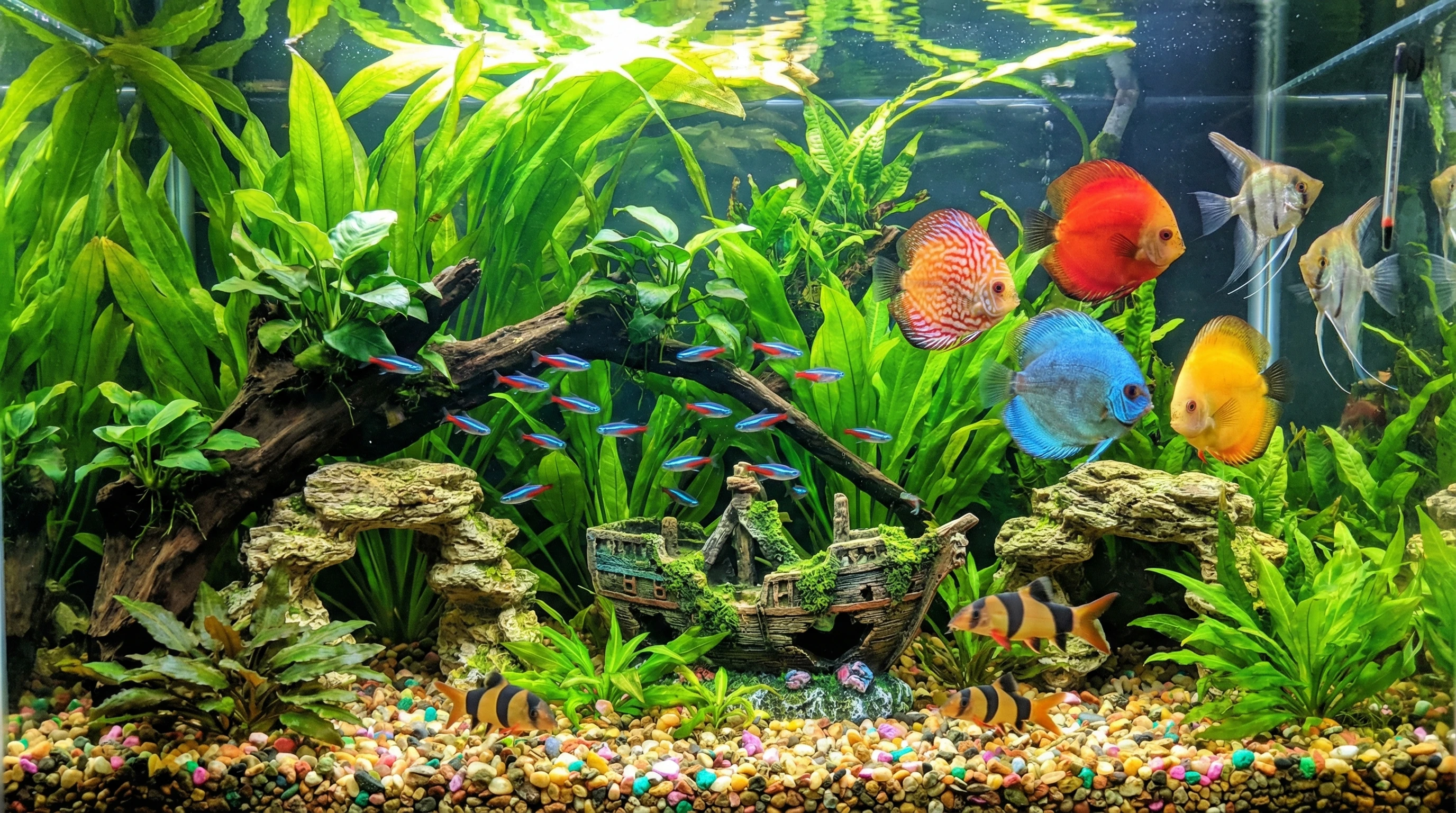
Getting to Know Tropical Fish Social Behavior
Tropical fish aren’t just pretty to look at; their social behavior adds layers of interest that go way beyond colors and patterns. Understanding this behavior can help you create a healthier, more engaging environment in your tank. A lot of tropical fish are social by nature. They thrive in loose groups, tightknit schools, or even in pairs, depending on their species. Some fish even show dominance, shyness, curiosity, or signs of stress just like other pets do. Understanding their behavior means you’ll be able to spot when they’re doing well or when something’s off.
Social structure is a big deal for many tropical fish. For example, tetras, barbs, and danios love being in groups. Meanwhile, certain cichlids or bettas might want their own space. Even more surprising, some tropical fish actually notice specific people who feed them and come to the front of the tank when their favorite human appears.
How to Tell If Your Tropical Fish Are Happy
A big question I get from new fish owners is how to spot signs that their fish are content. While you can’t ask them directly, happy fish share some easy-to-recognize behaviors.
- Active Swimming: Fish that are healthy and content will cruise around the tank, checking out their area, and interacting naturally with other fish.
- Bright Colors: Most tropical fish show off sharper, brighter colors when everything feels right in their world. Pale or faded colors can mean stress, illness, or poor water conditions.
- Regular Eating: A good appetite is a solid sign. When fish come up for food and eat eagerly, they’re probably doing great.
- Group Behaviors: Schooling fish will swim together in loose groups. Territorial fish might patrol their side of the tank but won’t constantly fight or hide.
- Curiosity: Some fish will come check you out when you approach. They may even follow your finger as you move it along the glass.
Watching for these traits is pretty handy for knowing when your tank setup is working, or if you might need to troubleshoot something.
Common Social Behaviors in Tropical Fish
Fish social behavior is pretty diverse and each species puts its own twist on things. You’ll notice a few standout patterns if you watch closely:
- Schooling: Species like neon tetras and rasboras like to stick together. Moving in a tight group makes them feel less stressed and helps protect against predators in the wild.
- Shoaling: This is similar to schooling but a bit looser. Fish hang near each other for safety but don’t swim in full unison.
- Territorial Displays: Fish like cichlids and bettas sometimes claim a patch of the tank and defend it with flashy fin displays or gentle herding motions.
- Cleaning: Some fish, like certain catfish or plecos, show mutual social behaviors through cleaning, helping keep others clean and healthy.
- Spawning Rituals: When it’s breeding time, expect dancing, flaring fins, or nestbuilding from species like gouramis and angelfish.
If you’re setting up a mixed community tank, reading up on individual species’ behavior helps avoid drama and keeps everyone happy.
Human Bonds: Can Fish Really Recognize People?
This one surprised me when I first started keeping fish, but there’s real science behind it! Some tropical fish do learn to recognize their main caretaker, especially if you’re the one feeding them. Oscar fish are especially famous for this. Mine greets me every morning by swimming to the top of the tank and doing a little head shimmy. Goldfish (while not strictly tropical) are also quick learners and will often spot and respond to specific faces or routines.
While “bond” is a strong word compared to how cats or dogs act, fish memory and pattern recognition are pretty solid. Over time, your fish might get more comfortable and even a bit excited whenever you show up, especially if treats are involved.
Friendliest Tropical Fish for Community Tanks
Some fish just have that chill vibe that makes them easy to keep in groups, even with different kinds of tankmates. If you want low-drama, sociable tropical fish, these are often mentioned as some of the friendliest:
- Neon Tetras: They’re small, peaceful, and love to swim together. They almost never bother other species.
- Corydoras Catfish: Bottom dwellers that get along with everyone and always seem to be having a good time in a group.
- Guppies: Always moving, colorful, and happy in groups, guppies fit well in most community setups.
- Platies and Mollies: They’re playful, hardy, and rarely nip or fight if given enough space.
While personality can vary from fish to fish, these types are usually great pick for new or established aquariums. If you’re just starting out, they’re also pretty forgiving of minor mistakes, making them awesome for beginners.
Fish That Bond with People: Is Interaction Possible?
While fish bonding isn’t the same as a puppy trying to curl up in your lap, some types are definitely more interactive. Oscars, as I mentioned, are almost like the dogs of the fish world. They learn routines and may even accept gentle handfeeding. Betta fish are also known to notice their people, often coming up to the glass for a peek. Goldfish, angelfish, and even some cichlids have shown similar behaviors, greeting their owners and responding to their presence.
Positive interaction often comes down to routine and trust. If you show up at the same time each day, provide food, and avoid sudden scares, fish might see you as a welcome part of their world. A few studies back this up, and while the emotional aspect is different from mammals, strong patterns can create predictable reactions and what feels like a personal connection. For the best results, spend a few minutes daily observing and gently interacting at feeding time. Over several weeks, you’ll probably see more curiosity from your aquatic pets.
Are There Fish That Remove Negative Energy?
A lot of people bring up bettas, goldfish, or koi as “positive energy” fish or as having the ability to remove negative energy from a space. While there’s no scientific evidence that fish literally clean out vibes, there’s something to be said about the calming effect a healthy, balanced aquarium has on a room or office. Watching calm, steady movement and bright colors can help ease anxiety and bring a peaceful feeling. For me, staring at my tank is real stress relief after a long day.
If you’re looking for fish that provide a sense of peace, look for slow moving, peaceful species like bettas, guppies, or tetras. Their gentle motion and beautiful settings really do bring a chill vibe to any room. Some aquatic hobbyists even add aquatic plants and subtle lighting to set up an extra soothing environment, further boosting the sense of calm their tanks bring.
Things to Remember When Setting Up a Social Tank
Keeping the peace in a tropical fish tank means thinking about more than just water and food. Some handy things to keep in mind:
- Tank Size: More space usually means less fighting and more natural behavior.
- Species Compatibility: Always check if your chosen fish play well with others, since some, like bettas or large cichlids, need quiet neighbors or their own tank.
- Numbers Matter: Schooling fish need several of their own kind to be comfortable. Single tetras, danios, or barbs are more likely to feel stressed and hide.
- Decor and Hiding Spots: Plants, rocks, and tunnels give fish places to explore and retreat, lowering aggression and boosting confidence.
Mixing fish with compatible social behaviors creates a vibrant, active tank where everyone gets along and feels safe. Regular cleaning, steady temperature, and balanced feeding all go a long way toward a thriving community tank. Try to observe all your fish a few times a week, and watch for subtle changes in behavior or appearance so you can address issues early and keep your tank community peaceful.
Frequently Asked Questions About Fish Social Behavior
What are the top signs my tropical fish are happy?
Active swimming, bright color, and regular feeding are big clues. Schooling fish sticking together and interacting naturally with each other are other positive signs.
What does stressed or unhappy fish behavior look like?
Common signs include hiding, pale color, clamped fins, rapid breathing, or darting around nervously. If you see this, check water quality, change routines, or revisit your tank mates.
Can my tropical fish tell me apart from others?
Some species can! Oscars, goldfish, and bettas are especially good at recognizing familiar routines, sounds, and faces.
Which fish create the calmest tank environment?
Guppies, tetras, mollies, and corydoras tend to have super mellow personalities. Bettas on their own can also be calming. Low-stress, compatible communities help keep every fish chill.
If I want a friendly or interactive fish, what should I choose?
Oscars, angelfish, bettas, and goldfish develop fun routines with their owners and can even interact at feeding time. Just make sure to match species with the right tank setup and tank mates.