
Tropical fish are more than just colorful additions to home aquariums; they’re living science experiments, natural wonders, and, honestly, some of the coolest animals you’ll ever spot swimming around. There’s way more going on underneath those shimmering scales than most people realize. If you’ve only seen neon tetras at the pet store or an angelfish gliding by in someone’s living room, get ready. Tropical fish have some jaw-dropping traits and abilities that will surprise even longtime fish fans.
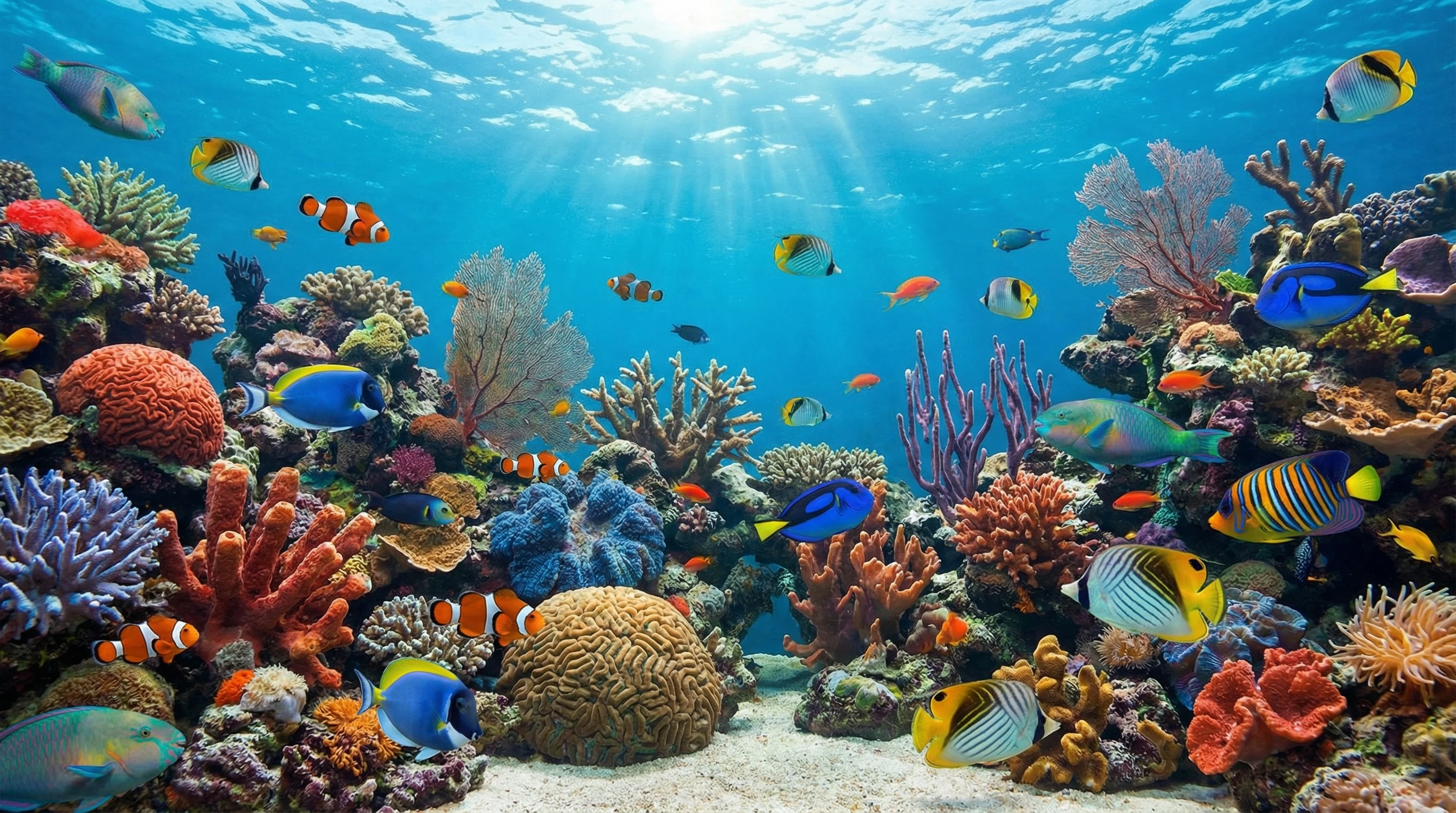
Fascinating Facts About Tropical Fish Species
Tropical fish come from warm waters all over the world and show off a wild range of shapes, colors, and personalities. Many have evolved unique behaviors and body parts to help them survive in busy reefs or quiet slowmoving streams. One thing that always amazes me is how different each species can be, even if they live in the same tank.
Some cool general facts about tropical fish:
- Thousands of Species: There are over 30,000 identified species of fish, and a huge chunk of them are considered tropical.
- Body Armor: Some tropical fish, like the boxfish, have tough armored plates that protect them from bites.
- Electric Abilities: A few species, like the electric eel (technically a knifefish, but it still lives in the tropics), use electric pulses to hunt or communicate.
- Shape Shifting Colors: Many tropical fish change colors when they get stressed, sleepy, or during mating displays, so don’t panic if your fish looks different one morning!
- Helpers on the Reef: Cleaner fish, like cleaner wrasses, eat parasites off bigger fish in a sort of underwater spa treatment, helping keep everyone healthy.
Did you know that many tropical fish form mutual relationships with other sea creatures? For example, some clownfish form partnerships with sea anemones, gaining protection from predators in exchange for cleaning the anemone and providing nutrient-rich waste. This teamwork benefits both creatures and adds another layer of interaction to the already complex underwater world.
The Coolest Fish Fact (in My Opinion)
This one always blows my mind. Some tropical fish can literally change their sex. The clownfish, which most people know from “Finding Nemo,” start life as males but can turn into females if the dominant female of their group dies. The process is completely natural, and it’s just how their social system keeps the group working smoothly. Nature really knows how to set up unique solutions to challenges.
Other fish, such as certain wrasses and parrotfish, also change sex as part of their social structure or mating strategies. This behavior shows just how adaptable tropical fish can be when it comes to survival.
The Rarest Fish You’ll (Probably Never) See
If you’re looking for a fish so rare it practically has unicorn status, check out the Devil’s Hole pupfish (Cyprinodon diabolis). Fewer than a hundred are known to exist, and they all live in a single warm, deep limestone pool in Nevada, USA. Despite the name, these fish are considered tropical because of the constant warm temperature of the spring they live in. Seeing one in person would be a once in a lifetime moment. You won’t be adding these to your aquarium any time soon!
The conservation efforts to save the Devil’s Hole pupfish are intense, involving around the clock monitoring, artificial refuges, and scientific research. Their struggle highlights the fragility of unique species and the importance of protecting their habitats for future generations.
Fun Facts About Aquarium Fish
Home aquariums are filled with all sorts of fascinating science and oddball behavior. Even the fish you pick up from a local shop usually have some awesome story behind them.
- Memory Isn’t THAT Short: Goldfish and tetras don’t just forget everything after five seconds; their memory actually lasts for months. They can recognize owners and routines pretty well.
- Some Fish “Talk”: Fish like cichlids make grunts and pops to talk to each other, especially if they’re annoyed or hungry.
- Jumpers: Lots of tropical fish species will leap out of the water to escape predators or just explore, so lids on tanks are super important.
- Bubble Nests: Betta fish and some gouramis build bubble nests for their eggs, usually decorating them with bits of plants.
- Personalities Galore: Not all tropical fish have the same attitudes. Some are calm and chill, while others can be territorial or playful. Watching them interact is like having a living soap opera on your shelf.
Believe it or not, some aquarium fish can actually be trained to perform tricks. Certain species, like goldfish and bettas, can learn to swim through hoops, push balls, or recognize different shapes for food rewards. This type of mental stimulation can keep them happy and engaged just like toys do for dogs and cats.
Five Fun, Random Tropical Fish Facts
- Tetras and other schooling fish like to swim together not just because it looks cool but to feel safe from predators.
- Some angelfish pairs stay together for life; they’ll stick with the same mate even if given chances to pair up with others.
- Parrotfish help create beautiful white sand beaches by munching on coral and pooping out finely ground sand.
- Discus fish “feed” their babies with a slime coat that covers their skin, kind of like special milk for fish fry.
- Mandarin fish are one of the few fish species with true blue coloring, thanks to the unique structure of their skin.
There’s more to tropical fish than showing just how resourceful tropical fish can be.
How Do Fish See the World?
A lot of people wonder: Can fish actually see color? The answer is yes; many tropical fish see a wider range of colors than people can, including some ultraviolet shades. This helps them spot food, attract mates, and even avoid danger. Bright colors on fish bodies or in tank decorations make a difference, not just for our eyes, but for theirs too.
If you’re ever wondering what color attracts tropical fish, it’s often blue and green, which mimic their natural environments. But some are drawn to red when it signals food, especially in goldfish and cichlids. It’s a little like window shopping for them: the brighter and more contrasting, the better chance it’ll catch their eye.
It’s also interesting that tropical fish use more than just vision to get around. They rely on their lateral line—a special sense organ that runs along the sides of their bodies—to detect water movement and vibrations. This skill helps them avoid obstacles, find food, and stick with their group, even in cloudy water with low visibility.
Do Fish Feel Pain and Do They Sleep?
The question of whether fish feel pain pops up a lot, especially among folks who fish or keep them as pets. Most recent studies show that fish have nerve receptors and a level of awareness that means they do experience pain, although in a way that’s a bit different from how humans do. It’s a good reminder to handle them gently and always practice careful, humane treatment, whether you’re a hobbyist or an angler.
As for sleep, fish don’t have eyelids (except some sharks), but they do go through restful states where their activity and responsiveness drop way down. You’ll often see them hovering in a quiet spot or drifting with their tank mates, especially at night. So yes, they get their version of sleep, and just like us, it’s important for their health.
Some species develop cool ways to rest, too. Parrotfish, for instance, secrete a slimy “sleeping bag” cocoon at night to protect themselves from parasites and predators while resting. This creative solution highlights how tropical fish have adapted to their environments in unexpected ways.
Tips for Keeping Tropical Fish Happy and Healthy
Keeping tropical fish at home can be really rewarding, but getting things right means paying attention to the details. Some things I always recommend to new and seasoned aquarists:
- Stable Temperatures: Warm, steady water temperatures are key for tropical fish. Sudden changes stress them out. Aim for a heater and reliable thermometer.
- Plenty of Hiding Spots: Rocks, plants, or caves let fish shelter when they need to relax or hide from more active tank mates.
- Clean Water: Good filters and regular water changes mean less chance of disease.
- Feed Variety: Mix flakes, pellets, live, or frozen foods for the best color and health.
- Research Tankmates: Not every fish likes the same water chemistry, temperature, or neighbors. Careful research helps buyers create a peaceful community tank.
Consider investing in aquatic plants or natural decorations to provide stimulation and oxygen, which can give your aquarium a boost. Plants help keep the habitat balanced and offer extra places for shy fish to explore or relax. Remember, happy fish are often bright in color, active, and show natural behaviors—so observing your fish daily is the best tool to catch issues early.
Common Questions People Have About Tropical Fish
Even experienced fish keepers wonder about the basics sometimes, so here are some quick answers that come up a lot:
What’s the best tropical fish for a beginner?
Answer: Guppies, neon tetras, and mollies are popular picks for their hardy nature and cheerful personalities.
How big do tropical fish get?
Answer: Some stay tiny (under 2 inches), while others, like Oscars or Arowanas, can grow large enough to outgrow all but the biggest tanks.
Do I need special lighting?
Answer: Most tropical fish tanks do better with lighting designed for aquariums, especially if you’re growing live plants or want to show off those eye-catching colors.
How often should I feed my tropical fish?
Answer: Once or twice a day in small portions works for most species. Always watch that food gets eaten within a couple minutes to avoid messes.
Do tropical fish get bored?
Answer: Fish show signs of enrichment when you change up decor, rotate foods, or rearrange tank plants. It keeps things interesting!
Why Tropical Fish Are Worth Getting to Know
Learning about tropical fish isn’t just for aquarium fans. Their lives are full of surprises, and they’ve inspired countless people of all ages to get curious about the natural world. Whether it’s the wild way a clownfish changes sex, the mystery of rare pupfish, or just the burst of color swimming through your living room, these species deserve a closer look. Understanding what makes them tick is the first step to giving them a good home or just appreciating the wild diversity the planet has to offer.
If you ever have a chance to watch a thriving tropical aquarium or snorkel over a coral reef, take a moment to really appreciate the interaction, cooperation, and stunning variety playing out beneath the surface. With a little care and respect, we can ensure these eye-catching fish keep captivating people for generations to come.