
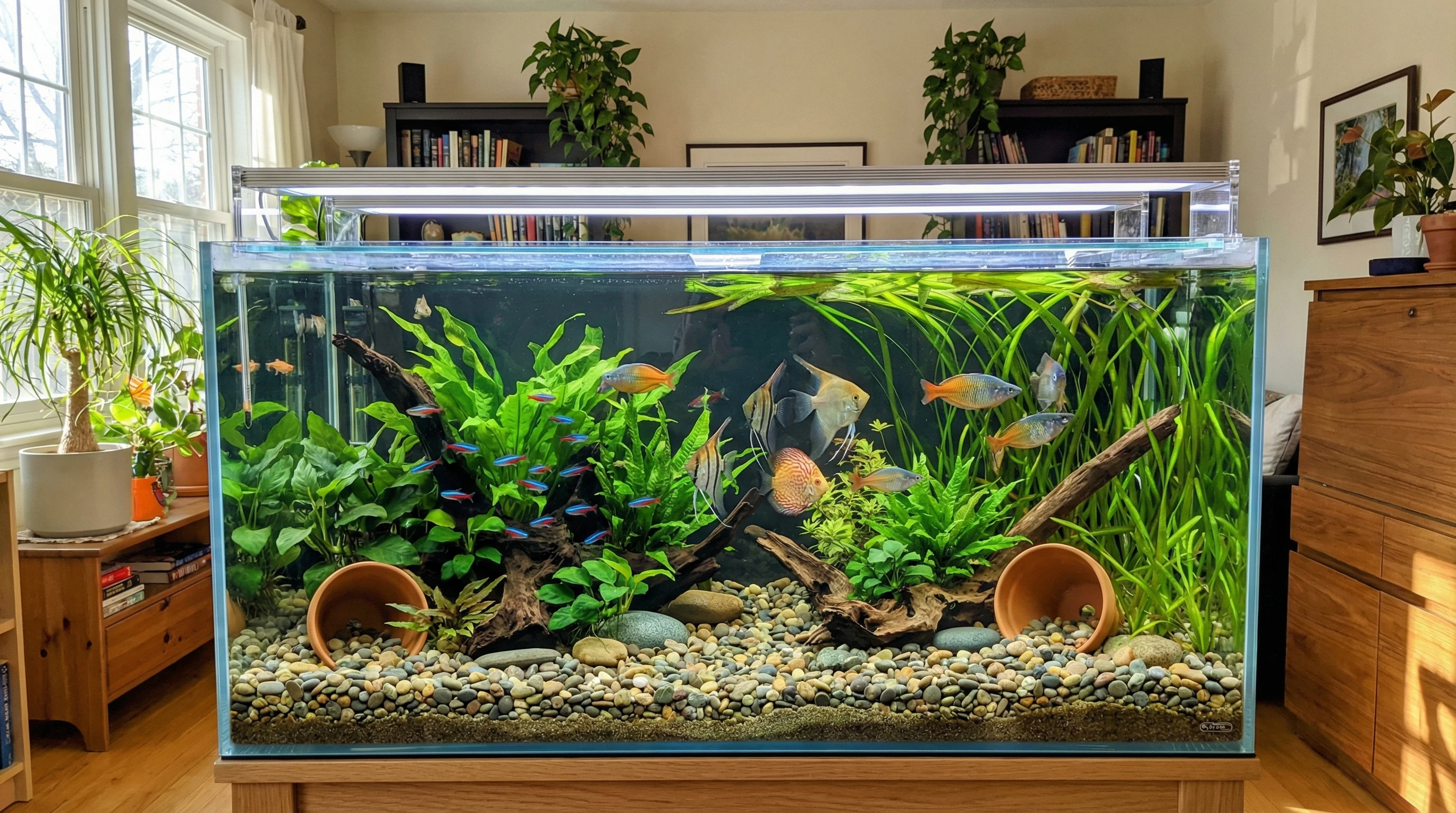
Tropical fish keeping brings an eye-catching and lively slice of nature into your living space. Yet, many people don’t realize how much the aquarium itself shapes your entire experience. From the type of fish you love, to the maintenance you’re ready to handle, the right tank can really make or break your adventure. I’m here to walk you through the key factors, practical tips, and some inside insights that should help you find an aquarium that keeps both you and your fish happy for years to come.
Why Choosing the Right Aquarium Matters for Tropical Fish
Making a solid aquarium choice means a healthier, eye-catching underwater world for your fish. Most tropical species have very specific needs when it comes to swimming space, water temperature, filtration, and even spots for hiding. Getting these details right isn’t just about the fish’s comfort; it goes a long way in preventing stress, disease, and frustrations down the line.
This hobby has grown fast—the 2023-24 American Pet Products Association survey reports that over 13.1 million U.S. households own fish tanks. That means loads of different tanks and options to sort through. Choosing a setup that fits your fish as well as your lifestyle is key for keeping your tank easy and enjoyable to care for.
Getting Started: Understanding Aquarium Types and Materials
When I kicked things off in the hobby, the variety of tanks available made my head spin. Tropical aquariums mostly fall into a few broad categories with some overlapping uses, but each style has its own perks and drawbacks.
- Glass Aquariums: These classic tanks are pretty affordable, highly scratch resistant, and give sharp, crystal-clear views. They’re heavier than acrylic ones and can crack if knocked, so they need to sit on a level, sturdy stand.
- Acrylic Aquariums: Lighter and ideal for large or oddly shaped tanks (like cylinders or hexagons). Acrylic scratches more easily but is shatter resistant—great if you have kids or pets in the house. They also insulate temperature a bit better than glass.
- Allinone Desktops: Short on space? These compact units, usually 1 to 10 gallons, come with built-in filters and lights. They look next-level cool on desks or shelves but aren’t the best match for most adult-sized tropical fish, which generally need 20 gallons or more.
It’s smart to picture your end goal. Do you want a shimmering school of neon tetras, or are you aiming for a single stunning betta? This will help narrow your tank choices fast.
Quick Guide: Steps to Find the Best Aquarium for Your Tropical Fish
Picking the perfect tank gets a lot easier if you break it up into manageable steps. Here’s what I always suggest for those jumping into fishkeeping:
- Measure Your Space: Tape out the spot you plan to use. Seeing the size in your room helps avoid surprises. Most beginners like a 20- to 29-gallon tank for its stability and size advantages.
- Choose Your Fish First: List out the species you’re after. Check their space, heat, and compatibility needs before you shop for the tank itself.
- Consider Shape and Volume: Long tanks deliver more swimming room, which many tropical fish prefer. Tall, narrow tanks can look sleek but can make it tough for active swimmers.
- See What Starter Kits Offer: Beginner kits bundle basics: filter, heater, and lights. That makes things easy, but you might want to upgrade the gear down the road for better results or more control.
- Think Ahead to Maintenance: Large tanks mean more water but stay more stable—making them easier for new hobbyists to keep balanced, which your fish will appreciate.
Rolling through this checklist streamlines the process and helps avoid choices that quickly turn into chores.
What to Look Out For Before You Buy an Aquarium
Certain issues often pop up with new tanks. It helps to stay sharp on these, so you can dodge the common pitfalls:
- Size and Weight: A full 20-gallon tank weighs more than 225 pounds. That’s a lot for a basic table or bookshelf. Make sure your stand or surface is fit for the weight—and consider an actual aquarium stand for peace of mind.
- Heating and Filtration: Steady warmth is crucial. Tropical fish like temperatures between 74–80°F. Your tank must fit a reliable heater and offer filtration tailored to the needs of your chosen species.
- Water Change Access: Tanks crammed into corners or with tiny lids make cleaning a serious headache. Make sure you can reach all areas for gravel cleaning and algae wiping.
- Budget for Hidden Extras: The aquarium may be the cheapest thing you buy! Gravel, plants, test kits, and replacement filters all add up over time—plan for these costs in advance.
Size and Weight Considerations
It’s tempting to dream big with tank size, but water weight adds up. I learned (the hard way) that guessing at a shelf’s strength just isn’t worth the risk. An aquarium-specific stand is a smart buy—anything over 10 gallons pretty much demands it.
Filtration and Heating
Some starter kits come with basic filters and heaters that might fall short for a fully stocked tank. Double-check aquarium reviews or ask trusted fish stores about filters with adjustable flow and heaters that have clear, userfriendly controls. A solid filter keeps water clear, a consistent heater keeps your fish happy.
Water Change and Cleaning Ease
Tanks with roomy lids and easy access spots make weekly care way simpler. I’ve found that big hatches and straightforward layouts beat oddly shaped or cramped tanks every time.
Cool Features Worth Checking Out
Want to set your tank up a notch, or just want less day-to-day hassle? Check out these extra features that modern aquariums can include:
- Built-in LED Lighting: Bright, energy-saving lights give fish colors and plant growth a noticeable boost. Some offer cool sunrise effects and dimming features.
- Integrated Filter or Background: Hide away cords and clutter for a cleaner look. Some tanks tuck filters and wires behind a false wall, keeping the display pristine.
- Rimless Tanks: These tanks are trending thanks to their open, minimalist look, and show off aquascapes beautifully.
- Smart Monitors: Some advanced setups come with temperature or filter alerts that sync with your phone so you’re always in the loop if water conditions change.
Modern aquariums step up convenience, safety, and style—a win for you and your fish.
Popular Aquarium Setups: Matching Fish to Tanks
- Community Tanks: A 29-gallon or larger tank gives you room for peaceful swimmers like guppies, tetras, rasboras, and corydoras catfish.
- Planted Aquascapes: Shallow, rimless tanks between 17 and 25 gallons make a strong foundation for heavy foliage, shrimp, or small schools.
- Betta Tanks: Betta fish shine brightest in solo tanks of 5 gallons or more, with gentle flow and lots of leafy plants for resting spots.
- Species Only or Breeder Tanks: Separate male and female guppies, or offer extra space for raising fry if breeding is in your plans.
Frequently Asked Questions
Q: What’s the best tank size for beginners?
A: Most experienced hobbyists say a 20 to 29-gallon tank is the sweet spot. It’s stable, forgiving for mistakes, supports a nice collection of fish, and is still a good fit for most homes.
Q: Can I keep tropical fish in a small tank?
A: Nano tanks look fun, but they’re better for shrimp, snails, or just one Betta. Most tropical fish love more space, and social species definitely benefit from a bigger tank.
Q: How often do I need to clean my aquarium?
A: Weekly partial water changes keep most tropical setups healthy. Swap 20–30% of the water every week, wipe glass, and check filters monthly for best results.
Q: Do all aquariums need heaters?
A: For tropical fish, yes. Even if your room is warm, nights or cool spells can drop the temperature. A reliable heater keeps those dips from happening.
My Takeaway: Setting Up For Fish (And Owner) Success
Thinking things through when you choose your aquarium leads to a rewarding fishkeeping adventure. Starting with the right size, easy access, and hardware that’s up to the task cuts out a lot of headaches. The tanks I matched closely to my fish, my home, and my cleaning preferences always flourished—and let me enjoy those bursts of color and action without extra worry. A bit of planning now can set you and your fish up for stress free years ahead. Have fun with your aquarium setup, and your tropical fish will return the favor with health and vibrant beauty!