
Bringing new fish into an established aquarium is pretty exciting, but it can also feel a little nerve wracking if you’re not sure what steps to take. I’ve been through quite a few fish introductions over the years, and I know how easy it is to overlook details that end up causing stress for both the new arrivals and your existing pets. The goal is to create a smooth, safe transition for everyone. I’ll cover the methods that work best for introducing new fish, how long to wait, and what you need to know to keep the peace in your tank. If you’re just getting into fishkeeping or looking to step up your current aquarium setup, let’s jump in and see how to make the process smooth and fun for all your underwater residents.
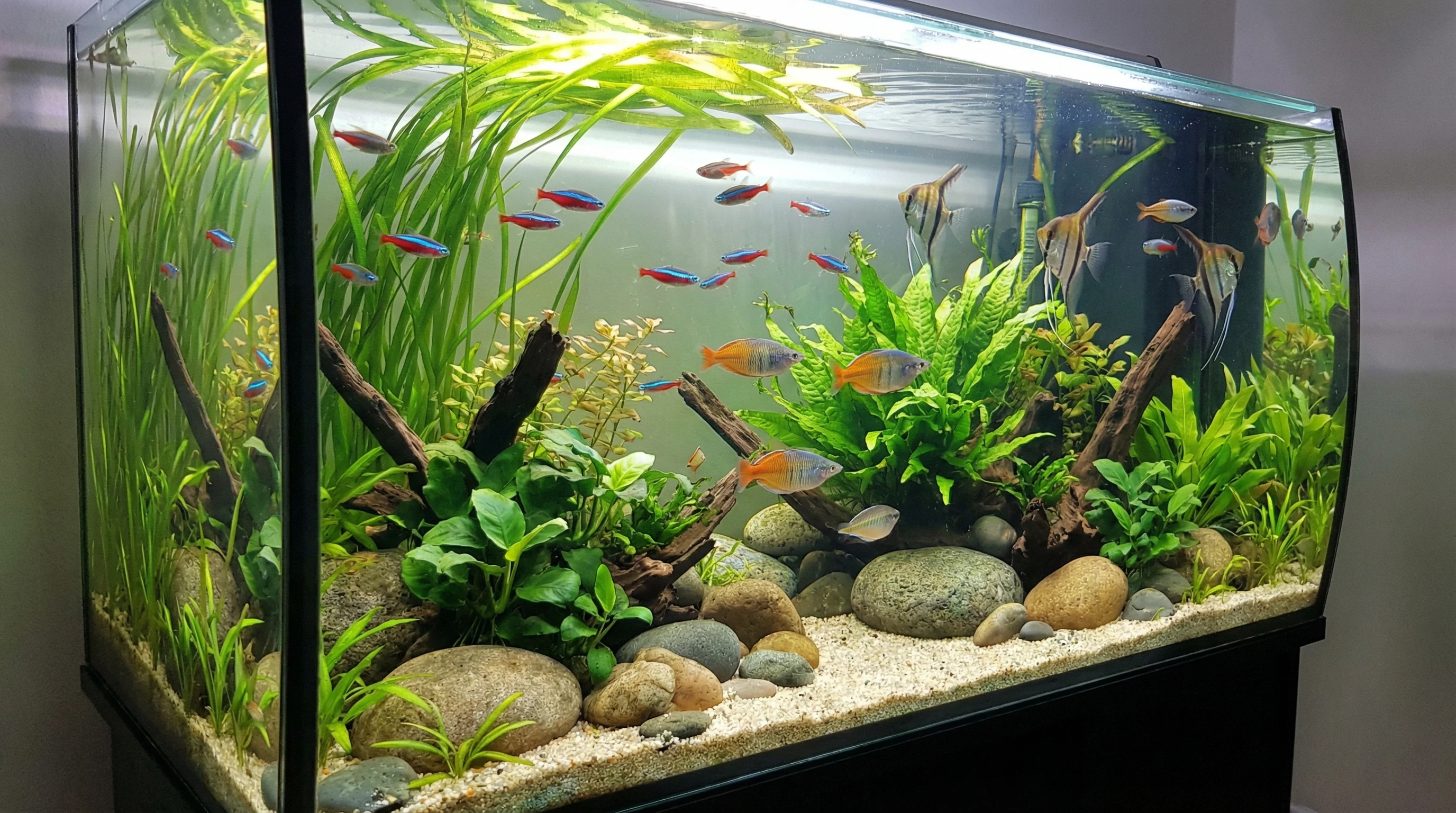
When Can You Add New Fish to a Tank?
The timing for introducing new fish depends on whether your aquarium is freshly set up or already has an established colony. In a brand new tank, you really need patience because rushing things can cause stress and illness for your new fish. Most people find waiting 4 to 6 weeks after setting up the aquarium works best. During this time, you want to make sure the nitrogen cycle is fully established. If you add fish to a tank that hasn’t cycled, you’ll run into dangerous ammonia spikes, which can be pretty rough for your fish.
For tanks that are already established and have stable water conditions, you still want to take it slow. Adding too many fish at once or adding them too quickly puts a strain on your biological filter. I always recommend waiting at least two weeks between introducing new groups of fish. That way you can make sure your filtration keeps up and monitor everyone for signs of illness. Resist the urge to fill your aquarium fast—staying patient is key to a thriving tank.
If you haven’t kept fish before, remember that the beneficial bacteria in your aquarium need time to grow. In fact, sometimes people refer to this as the “new tank syndrome.” This is when the aquarium looks clean, but the chemistry isn’t ready for fish yet. Be sure to test your water regularly using test kits, because clear water doesn’t always mean safe water for your pets.
What Fish Should Go First in a New Aquarium?
Choosing the right “first fish” for a new tank helps set the tone for the rest of your aquarium. Hardy species that can tolerate a range of water conditions do best in a new environment. Some of the most popular and reliable starter fish for freshwater tanks are zebra danios, platies, or white cloud mountain minnows. These guys are pretty resilient and don’t stress easily, so they make a solid choice for the cycling process.
I stay away from delicate fish like neon tetras or discus during the tank’s first few months. They do way better in mature setups where water parameters are super stable. For saltwater tanks, look at fish such as damselfish or clownfish because they’re easier to care for and not as sensitive as some of the more exotic species. If you plan to add shrimp or snails, wait until the tank is cycled and established, since these creatures are sensitive to ammonia spikes.
Building a community tank? Ask your local fish store staff for beginner suggestions—they usually have firsthand experience with which species handle new conditions best. If you’re patient and thoughtful with your first batch of fish, everything that comes after gets easier.
How to Introduce New Fish to an Established Tank
Acclimating new fish is really important if you want to avoid shocking them or your existing fish. A sudden change in water temperature or chemistry is stressful and can lead to disease outbreaks. Here’s the approach I’ve used with great success:
- Float the Bag: Without opening the bag, float it on the surface of your tank for 15–30 minutes. This matches the water temperature.
- Mix Tank Water: Every 5 minutes, add a small amount of tank water (a quarter cup works well) into the bag. Repeat for 20–40 minutes. If the store water looks dirty, you can lengthen this step to allow your fish to adjust more gradually.
- Net and Transfer: Use a net to move the fish from the bag into the tank. Don’t pour the store water into your tank. This helps prevent introducing any unwanted parasites or disease.
- Lights Low: Lowering the room lights or turning off aquarium lights during introduction calms everyone down and reduces stress.
- Monitor Closely: Watch for any chasing, nipping, or unusual behavior. This is normal at first, but keep an eye out for persistent aggression or health issues.
If your tank already contains territorial species, consider rearranging decorations or adding new plants before introducing new arrivals. This helps prevent the established fish from viewing the whole aquarium as their territory and gives newcomers a fair chance to settle in. Also, try to introduce more than one fish at a time when possible, since this can help reduce targeting of individual fish.
How Long Does It Take for Fish to Adjust?
Most fish settle into their new home in just a few days, but it really depends on the species and the stability of your tank. I usually see my new arrivals start to explore, eat, and act normally after about 2 to 4 days. Sometimes shy fish need a week or more before they come out of hiding, especially if there are boisterous tankmates or not enough hiding spots.
During this adjustment period, resist the urge to overfeed or rearrange your decor. Fish like predictability, and big changes can slow down the settling-in process. If you notice any lingering stress or refusal to eat after a week, check your water parameters and look for signs of bullying or illness.
Step-by-Step Guide: Adding New Fish Safely
- Quarantine New Fish: If possible, give new fish a home of their own for 2–4 weeks. This isn’t always possible, but it helps catch diseases early and prevents spreading anything to your main tank.
- Test Your Water: Before you add any newcomers, check ammonia, nitrite, and nitrate levels. Everything should be at safe levels. Ammonia and nitrite at zero, nitrates below 20–40 ppm.
- Acclimate Slowly: Use the float and mix method I talked about earlier to avoid any sudden shocks.
- Let Them Explore: After transfer, let the lights stay dim and avoid feeding for the first few hours. This lowers excitement and stress.
- Keep Up the Care: For the next week, keep a close eye on water quality and your fish’s behavior. Quick water changes help keep things balanced while everyone settles in.
- Feed Sparingly: The first days in a new tank are stressful. Only offer small amounts of food, so water quality stays at its best.
- Watch for Illness: Look out for signs of ich, fin clamping, or rapid breathing. Address any problems early, and if necessary, separate the affected fish to stop illness from spreading.
Fastest Ways to Cycle a New Aquarium
Cycling a tank is about establishing beneficial bacteria that process fish waste. There’s no real way to rush it safely, but there are some tricks to speed things up:
- Use Seeded Filter Media: If you have another mature tank, borrowing filter sponges, gravel, or even decorations covered in biofilm introduces bacteria right away.
- Commercial Bacteria Starters: There are bottled bacteria products sold at most aquarium stores. Add them according to the instructions for a quick boost.
- Fishless Cycling: Adding a pinch of fish food daily can help grow bacteria colonies without risking fish. When ammonia and nitrite levels are consistently zero, your tank is ready.
- Live Plants: Including live aquarium plants not only looks eye-catching, but can speed things up by absorbing ammonia and providing even more surface area for beneficial bacteria.
- Frequent Water Testing: Stay diligent with your test kit during cycling—catching spikes early lets you react fast and avoid harming your new aquatic pets.
While it’s tempting to add lots of fish quickly, I always find a slow, steady approach pays off. It gives your biological filter time to adjust, and your fish will thank you with fewer health problems. Patience now equals much fewer headaches later.
Troubleshooting Common Problems
- Fish Hiding All the Time: Totally normal right after introduction. Add more plants or decor for hiding, and let them adjust at their own pace.
- Aggressive Behavior: Some chasing or nipping early on is pretty common. If it gets serious, rearrange rocks or plants to break up territories and give newcomers a place to escape.
- Cloudy Water: Sometimes adding new fish can cause a bacterial bloom. Do a partial water change and lay off feeding for a day or two. It usually clears up quickly.
- Illness Outbreaks: Quarantining new arrivals is the best prevention, but if something slips through, treat promptly and keep everyone well-fed and stress-free.
- Lack of Appetite: New fish might not eat immediately. Give them some time, and offer small amounts of food in the morning and evening to tempt them out.
Frequently Asked Questions
How soon can I add fish to a brand new tank?
Wait until the nitrogen cycle is fully established, which takes about 4 to 6 weeks if you’re starting from scratch. Adding a little filter media from an established tank can shorten this to as little as 2 weeks.
What’s the best first fish to put in a new aquarium?
Go for hardy species like zebra danios, platies, or white cloud mountain minnows. They’re pretty easygoing and help get the cycle started safely.
How do I transfer new fish without shocking them?
The float and mix method is the easiest way to match temperature and water chemistry. Always avoid dumping pet store water into your tank to reduce infection risk.
How long does it take for new fish to settle in?
For most species, expect an adjustment period of 2 to 7 days. Some timid fish might need longer, especially if the tank is busy or there’s a lot of activity.
What’s the quickest way to cycle my aquarium?
Using filter media, gravel, or decorations from a healthy, cycled tank speeds things up a lot. Bottled bacteria products can also help, but nothing beats patience and careful monitoring.
Should I buy fish in groups or solo?
Many fish are happier and less stressed in small groups—schooling fish like tetras or rasboras do their best when bought in a bunch of six or more.
Final Thoughts
Successfully introducing new fish to an established tank isn’t just about the excitement of adding new colors or personalities. It’s about protecting your entire aquatic community. I find that a slow, gentle process really pays off, and helps maintain a healthy, stress-free environment. Keeping an eye on water conditions, planning each step, and making patience your best tool go a long way in building a thriving aquarium that you can really enjoy. With time and care, you’ll stumble upon a balance that keeps both old and new fish thriving side by side—enjoy the ride as your aquarium grows and changes!