
Tropical fish tanks brighten up any home or office, and having colorful fish swimming around is always nice to look at. But sometimes, the thought of frequent water changes, complicated diets, and sensitive species stops people from keeping an aquarium, especially if life gets busy. As someone who’s cared for tanks while juggling work, errands, and family, I know how helpful it is to pick fish that thrive on low effort.
Why Go for Low Maintenance Tropical Fish?
Low maintenance tropical fish can turn fishkeeping from a headache into a relaxing hobby. These species are more forgiving if you forget a feeding or miss a water change. They’re tough, don’t need super specific water parameters, and most of the time, they get along with other easygoing fish. This matters for anyone who travels, works late hours, or just doesn’t want aquarium care to take over their weekends.
From my experience, choosing low maintenance fish makes aquarium life smoother and lets you enjoy the tank without worrying about constant chores. The aquarium hobby has changed: you don’t need a degree in marine biology or a full set of lab gear. Just a few good choices up front make a real difference in how much time you spend scraping algae versus watching your fish do their thing. For those new to fishkeeping, making these smart choices from the start ensures long-term enjoyment and less frustration.
Key Traits of Low Maintenance Tropical Fish
Certain traits really help when scouting for hardy, fuss free fish. Here’s what I look out for when stocking a tank meant to be low effort:
- Hardiness: These fish don’t get sick easily and handle small changes in conditions just fine.
- Simple Diet: They’re not picky, so flake food, pellets, or the occasional treat does the trick.
- Community Compatibility: Peaceful, easygoing fish are less likely to cause drama in the tank, so you won’t be chasing around clashing species.
- Minimal Special Needs: No complicated breeding seasons, weird nocturnal schedules, or demand for rare water additives.
Fish with these qualities work well for new hobbyists and people who just want an easy care setup that looks good year round.
Top Picks for Low Maintenance Tropical Fish
After plenty of trial and error (plus swapping stories with other aquarists), I’ve built a shortlist of fish that pretty much anybody can handle. Here’s a closer look at each one, including care tips from my own tanks:
- Betta Fish
A betta easily holds the spotlight with its flashy fins and spunky personality. They’re happy living alone, so no need to worry about finding tank mates. A basic heater, filter, regular feeding, and weekly partial water changes are all it takes. It helps to have a lid, since they do like to jump. - Neon Tetras
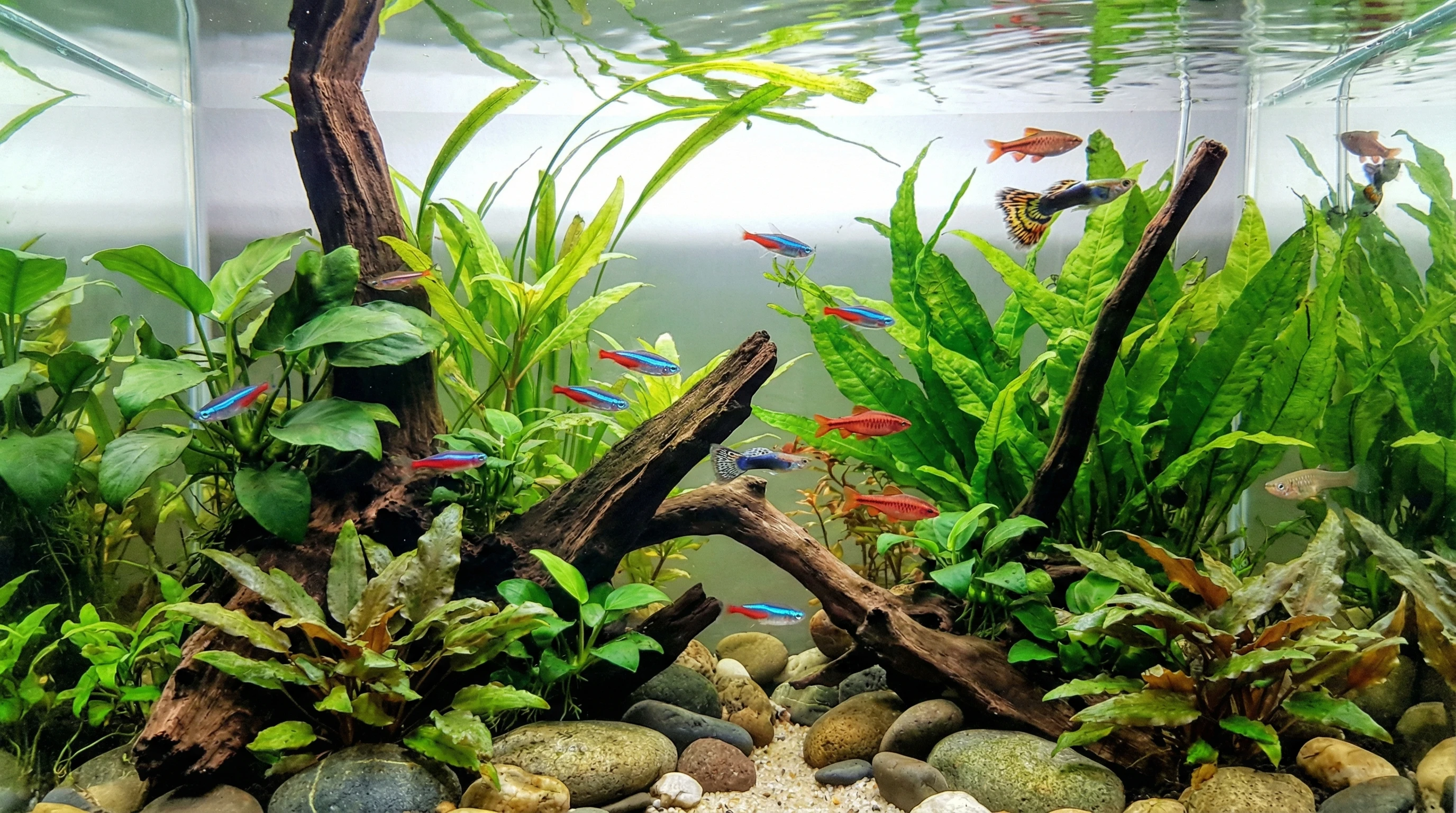
These little guys add loads of color. Give them a group of six or more, and their schooling behavior looks eye catching. They aren’t fussy about food and do well in standard community tanks, as long as their tankmates aren’t nippy or huge. - Zebra Danios
Zebra danios never stop moving and are just about indestructible. They’re fine with cooler or heated tanks and handle beginner mistakes without much drama. Keep at least five together, as they’re social, zippy fish and won’t pick on others. - Platies
Platies bring a punch of orange, yellow, or blue, and they’re easy to feed. They aren’t picky about hardness or pH, and a group of both males and females may even surprise you with baby fish! If you don’t want fry, stick to just males. - Corydoras Catfish
Corydoras do an awesome job cleaning up fallen food. They’re peaceful and enjoy the company of their own kind, but three or more is usually enough for a small tank. They like smooth substrate so they don’t hurt their delicate whiskers. - Guppies
Guppies are often everyone’s first fish, and for good reason. Bright colors, easy care, and flexible diets make them a classic. Like platies, they breed pretty quickly, so an all male tank avoids surprises.
Setting Up a Low Maintenance Aquarium
A good setup helps tropical fish stay healthy with less input from you. Here’s my go to checklist for a simple, hands off tank:
- Filter: Even a basic sponge filter is fine for most small setups. A steady filter keeps water clear and reduces how often you need cleanings.
- Heater: Most tropical fish need temperatures around 74-80°F (23-27°C). Consistent warmth is super important.
- Lighting: LED aquarium lights work great. Some floating plants help keep algae down, and bettas love hiding under them.
- Substrate: Sand or fine gravel is easiest to clean with bottom feeders like corydoras.
- Plants and Decor: Real plants can soak up waste and don’t need much effort. Plastic plants work too if you want zero fuss.
Feeding routines matter too. Once a day or every other day is fine for most of these species. Don’t overfeed, since it just makes the water messy and more work in the long run. When setting up, cycle your tank fully before adding any fish. This speeds up beneficial bacteria growth and keeps water safer for your new pets. For added peace of mind, use a water test kit now and then to spot water problems before they get serious.
Potential Challenges and How to Handle Them
No aquarium is completely autopilot, but low maintenance fish make even busy weeks manageable. Here are some common challenges and simple ways I handle them:
- Algae Buildup
Algae shows up in just about every tank. Scraper tools and regular light cycles (usually 8-10 hours per day) keep things in check. Some snails or shrimp can help too. - Water Changes
Partial water changes are a basic part of fishkeeping. Even swapping out 25% of the water once a week keeps things healthier. I use a gravel vacuum, which makes the job quick and keeps waste down. - Filter Maintenance
Check your filter every couple of weeks. Rinsing filter sponges in old tank water (not tap water) keeps helpful bacteria alive and working. - Travel and Time Away
Automatic feeders are a lifesaver. Many fish are fine fasting for a couple of days, but a feeder covers you for longer trips without needing a pet sitter.
Algae Buildup
An algae scrubber or old gift card makes quick work of glass cleaning. I like to add a few easy plants, as they compete with algae for nutrients and keep things looking nice. If algae really spreads, cutting back on lighting and increasing water changes usually helps. Remember, patience is key when getting on top of algae. Consistency pays off.
Water Changes
Busy schedules can make regular water changes tough to remember. I set calendar reminders so I don’t miss them, and always keep a bucket and water conditioner handy. You can also tie routine water changes to another weekly task, so it becomes a habit you won’t forget.
Filter Maintenance
It’s easy to forget about the filter until the flow slows down. Rinsing the pads or sponges about once a month keeps things running smooth. Consider marking the filter cleaning date on a calendar or phone app for an extra nudge.
Travel and Time Away
For trips under a week, automatic feeders or even skipping a couple feedings works for most of these hardy species. For longer times, a reliable friend or neighbor is great to check in. Leave simple instructions and let them know the signs of trouble, like cloudy water or floating fish, so they can alert you if something’s off.
Even low effort tanks need a little attention every now and then. Simple routines help prevent big problems and make things more enjoyable overall.
Extra Tips for Hassle Free Aquarium Care
After years of cleaning tanks, I really appreciate anything that makes things easier. Here are a few shortcuts I rely on:
Stick to Small Communities: Smaller tanks mean fewer water changes and less mess. A 10–20 gallon tank with a handful of easy fish is a sweet spot for many busy people.
Choose Hardy Live Plants: Java fern, anubias, and mosses live through almost anything, no special fertilizers or lights needed.
Automate Lighting and Feeding: Simple outlet timers or automatic feeders help you stick to a routine with almost zero effort. Automation takes care of regular tasks and gives you peace of mind if you travel.
Watch for Trouble Early: Quick peeks while feeding help you spot problems like cloudy water or sick fish before they get worse. It’s a good habit that saves headaches later. If you notice odd fish behavior or changes in water color, take action right away. Early fixes avoid major issues down the road.
Popular Uses and Real World Inspiration
Low maintenance tropical aquariums aren’t just for home display. Offices use them for stress relief, classrooms set them up for learning, and small businesses keep them to create a calming vibe. I’ve set up small community tanks in waiting rooms and staff break areas; coworkers and clients always talk about how relaxing it is to watch the fish swim.
- Home Decor: Bright tanks add color and life without demanding a ton of time.
- Kids’ Rooms: Simple tanks with hardy fish teach responsibility and science basics.
- Workplace Stress Relief: Aquariums in office settings promote relaxation and improve mood during hectic days.
Some schools use easy tanks as teaching tools, letting students learn about biology, observation, and routine care. In wellness spaces, aquariums help reduce anxiety and act as gentle conversation starters for children and adults alike.
Frequently Asked Questions
Here are a few questions I get asked regularly by friends new to keeping fish:
Question: Can low maintenance tropical fish live in an unheated tank?
Answer: Some, like zebra danios and platies, can handle cooler rooms. But most tropical fish do best with a heater set around 76°F (24°C).
Question: How many fish can I keep in a small tank?
Answer: A good rule is one inch of adult fish per gallon of water. Always look at the suggested size for each species when planning your tank.
Question: How often do I need to feed low maintenance fish?
Answer: Once or twice a day is enough. Give only what the fish eat in two minutes so leftover food doesn’t make a mess or impact water quality.
Question: Should I use tap water for water changes?
Answer: Tap water is usually fine if you add a water conditioner to remove chlorine and chloramine. Double check your local water’s pH and hardness if you’re curious, especially for more sensitive species.
Starting Your Hassle Free Tropical Aquarium
Picking out low maintenance tropical fish makes aquarium keeping fun, rewarding, and stress free, even on the busiest days. With hardy fish, simple setups, and a few practical habits, anyone can enjoy a colorful, lively tank without a steep learning curve. The joy of seeing your fish active and healthy—without constant care—makes the hobby worth every moment.
Start with tried and true species, set up a basic routine, and you’ll be surprised how easy it is to have an awesome aquarium that fits right into your busy life. Enjoy your new aquatic adventure!