Tropical fish can make any aquarium come alive with color and personality. Even if you have never owned an aquarium before, picking out tropical fish is easy once you know some popular species and what each one brings to your tank. Whether you’re looking for fish that are easy to care for, add lots of color, or even help clean up the tank for you, there’s a tropical fish out there to match your vibe.
Understanding Tropical Fish and Their Habits
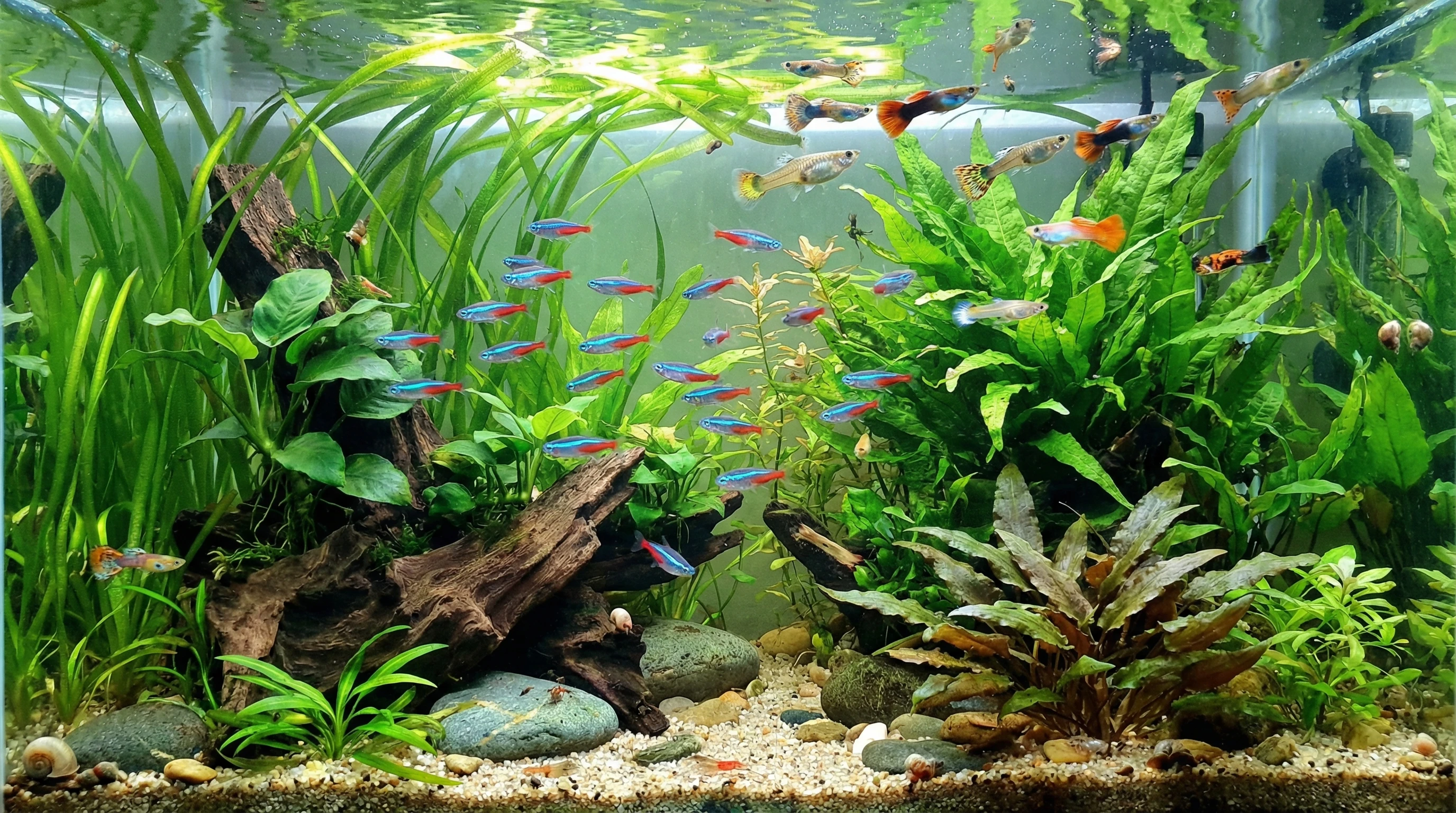
Tropical fish are freshwater or saltwater species that come from warm regions all over the world. Most of the aquarium fish you see in pet stores are considered tropical and usually need water temperatures between 74°F and 82°F (23°C to 28°C). These fish are known for their stunning patterns and colors. A huge part of their charm comes from how lively and interactive they can be in a well-set aquarium environment.
The tropical fish hobby has grown for decades as more people stumble upon the calming and engaging effect of an aquarium. Today, hobbyists can choose from hundreds of species, each with unique needs and care levels. Some do best in groups, while others are happy swimming solo. Learning about these differences helps avoid problems with compatibility or health down the road. Regular tank maintenance and thoughtful planning go a long way in keeping your fish healthy and stress-free.
Top 10 Most Popular Tropical Fish Species
Some tropical fish have a reputation for being super hardy, colorful, or downright entertaining. A few are famous for being easy to keep, making them great picks for newcomers too. Here’s my list of the 10 most popular tropical fish that turn up in home aquariums again and again:
- Neon Tetra: Known for their bright blue and red stripes. They are peaceful and look great in schools.
- Guppy: Comes in virtually every color combo you can imagine. Tough, small, and endlessly active.
- Betta (Siamese Fighting Fish): Vibrant and dramatic, bettas are best kept alone to avoid fin-nipping drama.
- Angelfish: Striking shape and elegant movement. They can get a bit territorial, so tank mates need to be chosen with care.
- Discus: Gorgeous circular fish, prized for their amazing colors. They need slightly more advanced care and clean water all the time.
- Platies: Low maintenance, colorful, and good with other peaceful fish.
- Mollies: Adaptable to a range of water conditions and available in lots of different patterns.
- Corydoras Catfish: Bottom dwellers that clean up leftovers, helping keep things tidy.
- Zebra Danio: Striped, energetic, and really hardy. Great for new aquarists and community tanks.
- Cherry Barb: Adds a bold splash of color and does well in peaceful community setups.
These tropical fish species are trending for a reason. They add both character and color while usually being easy to manage for beginners or seasoned keepers alike. Their personalities and bright looks can bring a dull tank to life in a matter of days.
If you want to jumpstart a thriving aquarium, these species are a great place to start. Of course, as you get the knack for fish care, you might want to check out even more exotic choices down the line. There’s a whole world of eye-catching fish just waiting for you to track down!
Which Tropical Fish Help Clean the Tank?
A few tropical fish are praised for their knack for keeping the aquarium neat. While they won’t replace actual cleaning, these fish do help by eating leftover food, algae, or other debris. Here are some fish to add if you want natural helpers in your aquarium:
- Corydoras Catfish: These are efficient little bottom feeders, always bustling around for stray food but gentle enough not to disturb your other fish.
- Plecostomus (Pleco): Famous for their algae eating habits. They stick to the glass, rocks, and driftwood and munch on stubborn algae. Be aware, some species get quite large, so they need a proper sized tank as they grow.
- Otocinclus Catfish: Small, sociable, and really good at clearing up algae on plants and glass. They’re ideal for smaller tanks and for aquarists looking for a little extra cleaning help.
- Siamese Algae Eater: As the name says, these fish love munching on algae, including some types that other fish ignore. They are quite active and make a good addition for those with trouble algae spots.
- Amano Shrimp (not a fish, but worth mentioning): These shrimp are practically pro janitors that clean up all sorts of mess in the tank, not just algae.
I find that mixing a few of these cleanup crew members with regular maintenance makes aquarium care a lot easier and keeps things looking sharp. Just remember that overfeeding or overcrowding still leads to mess, so balance is important. Adding some fast-swimming fish that stir up food particles helps ensure that all corners of the tank get cleaned as well.
What Makes a Tropical Fish “Easy”?
When people talk about “easy” tropical fish, they’re usually thinking about these points:
- Hardiness (can handle a range of water conditions)
- Low maintenance (doesn’t fuss about food or minor temperature swings)
- Peaceful temperament (doesn’t start fights with tank mates)
Most guppies and neon tetras match this description almost perfectly. Guppies, in particular, are famous for thriving even when the keeper is still getting the hang of tank management. They handle basic tap water, eat a wide range of foods, and bounce back from beginner mistakes better than fancier species. Zebra danios also get a lot of love for their “nothing phases me” attitude, and their lively swimming adds extra activity to any community tank.
If you want an easy and eye-catching first fish, guppies are the way to go. Just know they breed really well, so you might end up with more than you bargained for if you house both males and females! Still, their laidback style means they mix well with other peace-loving species and rarely cause drama.
Building a Healthy Tropical Aquarium
Setting up a comfortable home for your fish helps them show off their best colors and live long lives. Here’s a quick rundown of what makes a great tank:
- Heater: Keeps water temperature steady so fish don’t get stressed out.
- Filter: Removes waste and keeps the water oxygen-rich.
- Water Conditioner: Neutralizes harmful chemicals from tap water, like chlorine.
- Testing Kits: Regular checks for ammonia, nitrites, and pH help catch problems before they become disasters.
- Décor and Plants: Gives fish places to hide and explore, making them feel at home. Live plants also help add oxygen and absorb waste products.
Giving a little attention to these basics makes caring for your fish way smoother. It’s surprising how much difference a stable, well setup tank makes for both beginner and advanced keepers. You can mix in natural driftwood, rocks, or even floating plants for extra security and aesthetics, offering shy fish even more places to chill out.
Frequently Asked Questions About Tropical Fish
Question: What is the most popular tropical fish for home aquariums?
Answer: Neon tetras take the crown for popularity in home tanks. Their neon stripes are super vibrant under aquarium lights, and their easygoing nature makes them a hit for aquarists of all skill levels.
Question: What are the top 10 most popular tropical fish?
Answer: The current favorites usually include Neon Tetra, Guppy, Betta, Angelfish, Discus, Platy, Molly, Corydoras Catfish, Zebra Danio, and Cherry Barb. Each one brings a unique look or personality to your aquarium.
Question: Which tropical fish will help keep my tank clean?
Answer: Corydoras catfish, Plecos, Otocinclus, Siamese Algae Eaters, and even Amano shrimp are the go-to cleanup crew. They handle algae and leftovers so you don’t have to work as hard between water changes.
Question: What is the easiest tropical fish to own for beginners?
Answer: Guppies are probably the best pick for new aquarists. They’re colorful, low maintenance, and super adaptable, so even if you make a few mistakes at first, they’re likely to take it in stride.
Tips for a Stress Free Tropical Fish Experience
Every fish keeper picks up tricks that make aquarium life feel simple and fun. Here are a few that worked well for me:
- Buy from a trusted local fish store, so you get healthy fish and useful advice.
- Add only a few fish at a time to avoid overwhelming the tank’s filter system.
- Feed sparingly. Too much food leads to dirty water and health issues.
- Keep an eye on water parameters, even if everyone looks healthy. It’s easy to miss a problem before it’s visible.
- Make hiding spots with plants or rock caves, which help shy fish relax and show better color.
Patience is the real game changer. Tanks take a while to reach their best look and balance, but giving it time means healthier fish and much less hassle in the long run. Sometimes, you might get impatient for a full and lively tank, but slow and steady almost always wins the race in fishkeeping.
Adding More Color and Life with Tropical Fish
Tropical fish species offer endless variety for home aquariums, no matter your skill level. Mix and match groups from the popular list above, or do a little more digging to track down less common species that suit your setup. Just remember that pairing peaceful, easy care fish together tends to create the most enjoyable experience. The more you learn about each species, the easier it is to build a community tank that’s both lively and low maintenance.
Tropical fish aren’t just pretty; they add personality, help maintain the tank, and are a really fun way to learn about underwater life. Watching them swim and interact never gets old. With the right mix, any aquarium becomes a relaxing little oasis right at home, where you can unwind and enjoy the everchanging scenes your eye-catching fish provide. If you have room in your home, you can even step up your fish adventure by trying out larger tanks or specialty setups, such as planted aquariums or biotope tanks that mimic nature.
Wrapping up, tropical fish are more than just decorations—they transform your tank with energy, character, and beauty. With a balanced approach and careful selection, you’ll quickly spot how rewarding this hobby can be!
Can I mix all the popular tropical fish together, or are some incompatible?
How long should I cycle my tank before adding tropical fish?
Do tropical fish need live plants, or are artificial ones fine?
What are early signs of stress or illness in tropical fish?
How often should water changes be done in a tropical aquarium?
Frequently Asked Questions (FAQ)
Question: Can I mix all the popular tropical fish together, or are some incompatible?
Answer – No, you cannot mix all popular tropical fish together. Different species have varying compatibility requirements based on temperament, size, water conditions, and diet, and mixing incompatible fish will lead to stress, aggression, and potentially death.
Question: How long should I cycle my tank before adding tropical fish?
Answer – You should cycle a new tropical fish tank for 2 to 6 weeks, or until ammonia and nitrite levels consistently read zero, to establish beneficial bacteria that convert toxic waste; patience is key to avoid “New Tank Syndrome” and fish loss, using methods like fishless cycling with an ammonia source or bacterial starter, and always monitoring with a test kit before adding fish
Question: Do tropical fish need live plants, or are artificial ones fine?
Answer – Tropical fish don’t strictly need live plants, as artificial ones provide essential hiding spots and exploration areas, reducing stress; however, live plants offer significant benefits like improving water quality, providing natural food, and creating a more authentic environment, making them ideal if you’re willing to do the extra maintenance, while plastic plants are easier for beginners but lack biological advantages.
Question: What are early signs of stress or illness in tropical fish?
Answer – Early signs of stress or illness in tropical fish can manifest across changes in physical appearance, behavior, and appetite [1]. Prompt observation and intervention are critical for the well-being of the fish.
Question: How often should water changes be done in a tropical aquarium?
Answer – For a tropical aquarium, a good starting point is a 25-30% water change weekly, but the ideal frequency (ranging from weekly to monthly or even less) depends on factors like tank size, stocking levels, filtration, and live plants; regularly testing water parameters (especially nitrates) is the best way to determine your specific needs, aiming for “little and often” for stability.