Tropical fish tanks offer a lively, colorful, and surprisingly manageable way to enjoy aquatic life, as long as you pick the right fish for your needs. When setting up a community tank, it’s best to look for species that are good roommates, can handle small mistakes from beginners, and don’t demand constant specialized care. Some fish are naturally tough and super chill, so whether you’re new to the hobby or seeking a low-fuss setup, there are plenty of options worth checking out. In this guide, I’ll break down some of the hardiest tropical fish you can keep in a community tank and share some personal tips that can make your aquarium adventure smoother.
Why Hardy Fish Are Great for Community Aquariums
When I first started fishkeeping, I quickly noticed how some tropical fish have specific needs and don’t adapt well if water conditions waver. Hardy fish, though, are far more forgiving. They adjust to varying water conditions, aren’t as susceptible to illness, and usually fit perfectly into a mixed community setup.
This resilience leads to fewer problems and a happier, healthier tank. If you’re just starting out, picking sturdy species saves you a lot of headaches and increases your odds of long-term success. Even for experienced aquarists, these fish cut down on maintenance, making your job easier and your aquarium more balanced.
Getting Started: What Makes a Fish “Community Friendly”?
In fishkeeping, a “community fish” is one that peacefully swims alongside other species. For a tank to thrive, choose fish that don’t nip fins or boss their tankmates around. Here are the qualities to watch for:
- Peaceful Temperament: These fish don’t start fights or get overly territorial, especially when kept in suitable groups.
- Shared Environmental Needs: They prefer water temperatures, hardness, and pH levels similar to their companions.
- Size Similarity: Choosing fish of similar sizes ensures no one turns into a snack for a bigger neighbor.
Hardy community fish typically meet all these points and adapt well to a range of water conditions. This means less stress for new hobbyists and more flexibility overall.
Top Hardy Tropical Fish for Community Tanks
Some species really stand out for being tough and easygoing. Here’s a rundown of tried-and-true picks that consistently thrive in beginner and pro tanks alike:
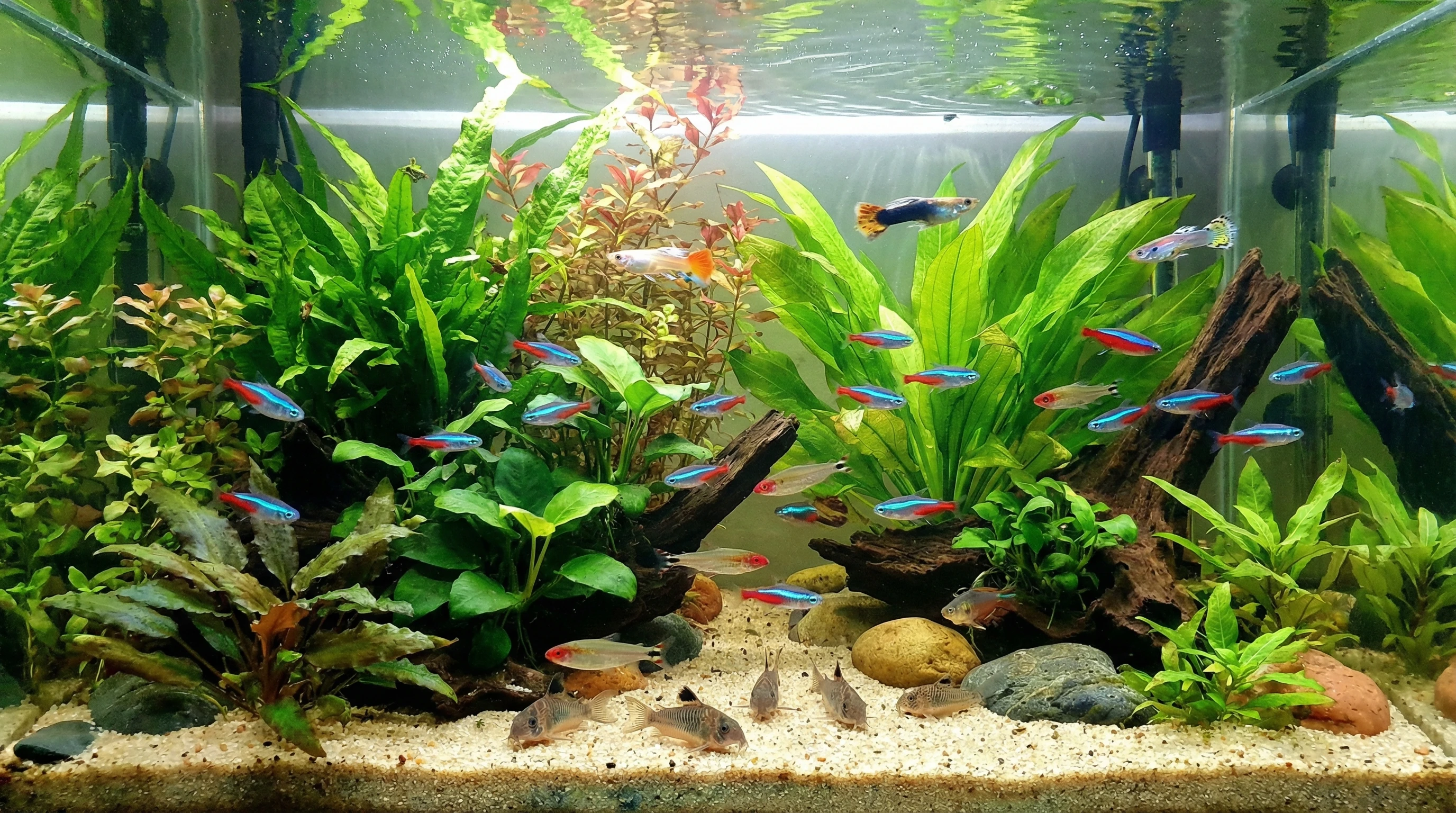
- Guppy (Poecilia reticulata): Guppies are the beginner’s classic for good reason. They’re colorful, active, and not picky about water quality. I’ve seen them thrive even when the setup isn’t perfect, and they’re great if you want to see baby fish in action.
- Zebra Danio (Danio rerio): Zebra danios are like the tank’s energizer bunnies. Fast, peaceful, and willing to eat anything, they shrug off water fluctuations better than most. They really come alive in small groups.
- Platy (Xiphophorus maculatus): Platies are some of the most adaptable tropical fish out there. Hardy, entertaining, and extremely friendly with other species, they also come in an amazing variety of colors.
- Corydoras Catfish: Cory cats (like Corydoras aeneus or Corydoras paleatus) are bottom feeders that clean up spare food while minding their own business. They’re peaceful, hang out in groups, and handle missed feedings or fluctuations with ease, making them true low-fuss tankmates.
- Neon Tetra (Paracheirodon innesi): Neon tetras are famous for their electric blue-red stripes. While a bit sensitive in an unstable tank, once the water parameters settle, neons are pretty resilient and add a vibrant touch.
- Molly (Poecilia sphenops): Mollies tolerate various water types—including a little salt—and bring lively action. Sociable and full of personality, they’re a joy but do need a bit of room to roam.
- Cherry Barb (Puntius titteya): Cherry barbs feature bold color and are generally agreeable with other species. I’ve mixed them with guppies, tetras, and cory cats and seen nothing but peaceful behavior.
With a wide color range and active personalities, these species make it easy for anyone to put together a thriving, attractive aquarium.
Best Fish for Minimal Maintenance
If a super easy, low-maintenance setup is your goal, zebra danios and platies shine above the rest. They eat anything, shrug off water changes, and rarely get sick if you keep up with basic maintenance. Guppies and corydoras come close behind, needing only regular feeding and the occasional check on water quality.
Personally, zebra danios get my vote for being the ultimate low-maintenance choice; their short fins are less prone to injury, they resist common illnesses, and even missing a feeding now and then doesn’t faze them.
Quick-Start Guide to Setting Up Your Community Tank
Getting your community tank off to a strong start is all about having the right foundation. Here’s how I recommend doing it:
- Cycle Your Tank: Set up your aquarium and let it run filter and heater for at least two weeks, giving helpful bacteria time to build up so fish waste can be processed safely.
- Test Water Regularly: Use a reliable test kit to check pH, ammonia, nitrite, and nitrate. Even tough fish need steady conditions to stay healthy.
- Start With a Few Fish: Add a small group from one species first, allow them to settle for a week or so, then gradually introduce other species. This gentle approach lowers stress and prevents shock.
- Feed a Varied Diet: Flesh out their diet with flakes, pellets, frozen, and live foods. Variety keeps fish interested and supports vibrant color and energy.
- Keep Watch: Stay alert for signs of bullying or odd behavior. If you notice nipping or hiding, try rearranging tank decorations or adjusting the groups to help everyone suit their new home.
What to Keep in Mind Before Buying Community Fish
Before heading out to buy fish, here are a few tips that could save you stress later:
- Look at Compatibility Charts: Double-check that your chosen species get along. Research online or consult a knowledgeable local shop for current advice.
- Select a Good Tank Size: Avoid cramming. Overcrowding is stressful for everyone, even tough fish. A 20-gallon aquarium is a solid starting point for a mixed school.
- Keep Water in the Right Range: Most tropical community fish thrive at 74–78°F (23–26°C). Still, verify the needs of each species for harmony.
- Quarantine New Fish: Put new arrivals in a separate tank for a couple of weeks to make sure they aren’t bringing illness into your established aquarium.
The Value of Group Living
Many of these tough fish (like tetras, danios, and corydoras) are happiest in groups of six or more. Schooling helps reduce stress and brings out natural behaviors. Lone fish or pairs can become timid or fall ill without the safety of a group.
Filling Out the Tank
A diverse aquarium includes fish that occupy the top, middle, and bottom zones. For instance, guppies and zebra danios stick to the upper levels, neon tetras move around the center, and corydoras roam the substrate. This natural mix keeps the entire tank active and minimizes fighting over space.
Common Problems and Easy Solutions
Despite being hardy, even these fish can’t survive poor conditions. Uncycled tanks, overfeeding, or overstocking often result in issues like fin rot, ich, or cloudy water. Stick to regular water changes and watch your fish closely—catching small problems before they get big makes a world of difference.
Frequently Asked Questions
Which fish is best suited to live in a community tank?
Answer: Guppies, zebra danios, and platies are popular choices. They’re social, adjust to a range of water conditions, and almost never pick fights.
What is the hardiest tropical fish to keep?
Answer: Zebra danios usually lead in hardiness. They put up with varying water quality and temperature fluctuations and hardly ever get sick. Corydoras catfish are also extremely hardy and great for most tanks.
What are the best community tropical fish?
Answer: Guppies, platies, neon tetras, cherry barbs, corydoras catfish, and zebra danios all come highly recommended. They are easygoing, mix well, and add sparkling color and energy to your tank.
What is the most low-maintenance aquarium fish?
Answer: Zebra danios and platies are probably the top low-maintenance picks. They adapt with ease, eat a range of foods, and thrive even when water conditions fluctuate a little.
Extra Tips to Keep Your Community Tank Thriving
Consistency is the name of the game for a healthy community tank. Stick to basic weekly water changes of about 25%, keep an eye out for spikes in ammonia or nitrite, and don’t try to load the tank with too many species at once. Adding live plants like java fern or anubias helps keep the water clean while providing shelter and more to explore for your fish.
Feed a balanced diet, add small groups over time, and throw in shrimp or snails if they match your fish. This helps control leftovers and algae and also keeps the tank bustling with different forms of aquatic life.
A stress-free, community friendly tank is totally possible. These hardy fish make life easier, reduce hassle, and bring endless color and personality to your setup. With the right planning and a bit of attention, your aquarium will thrive and become a cherished part of your home.